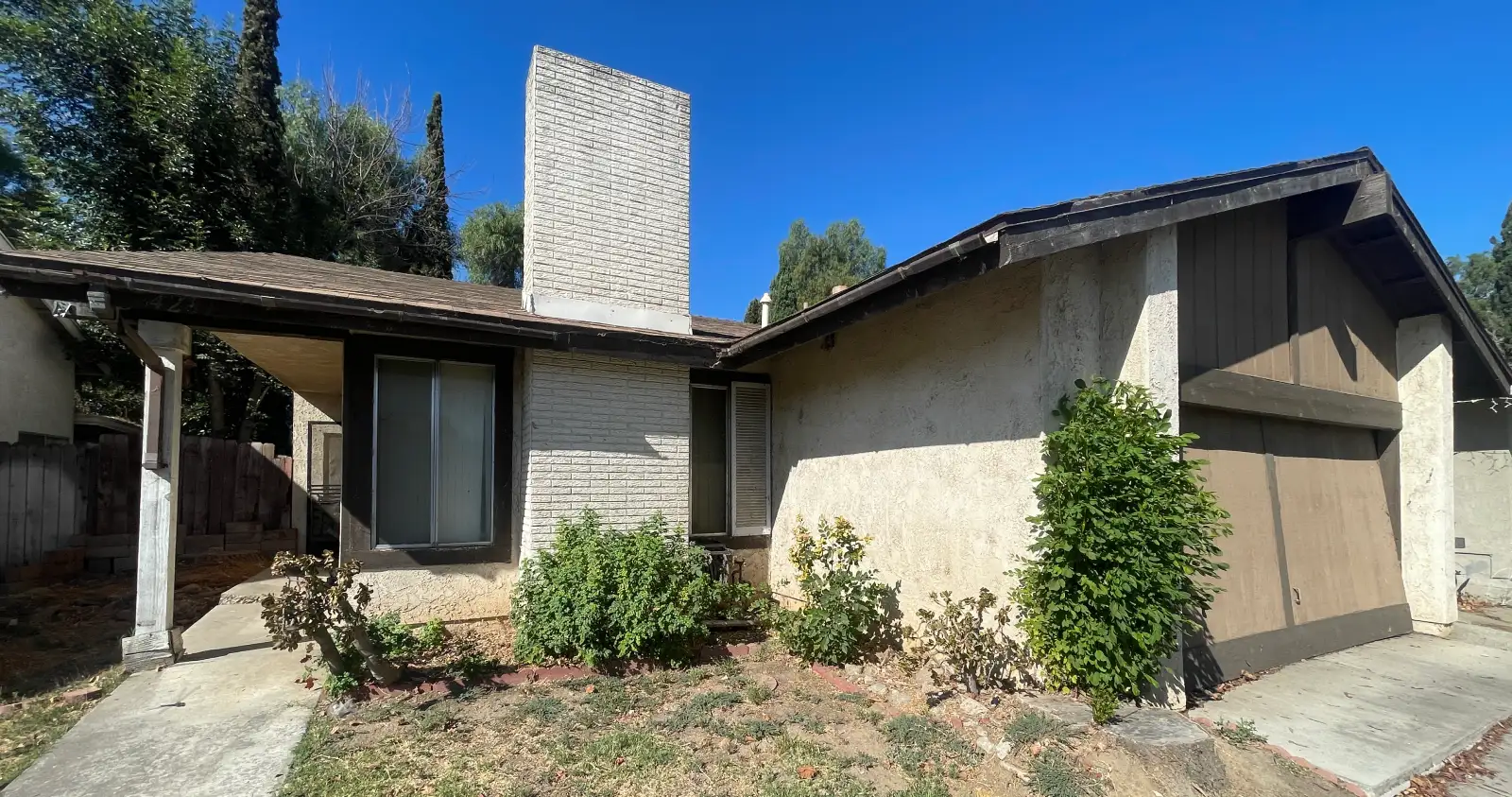
Direct answer: If you inherited a Southern California house, the risk is carrying costs and family fights while title sits. Clear next of kin with a will or trust can often get court approval to sell in a few months. No will and fighting heirs can drain the estate. Cash can stop the bleed once you have authority.
The biggest time killer is not the court
Here is my blunt take after years of buying probate and inherited houses in Southern California.
The biggest time killer is if there is no will, no trust, and other potential heirs are not in agreement. That fight can drain the assets. It can cost everyone everything.
When people have a will, or they are the clear next of kin and there are no disputes, California has simpler paths and a full probate path. The path depends on the assets, how title was held, and the county.
In our deals, a streamlined path has gotten court approval to sell in about 2 to 3 months, depending on the county. A full probate path has gotten us to a court-approved sale in about 3 to 6 months. That is our experience. It is not a legal guarantee. Every estate is different.
Important point: that clock is usually not “probate is finished.” It is the point where the court has approved the sale, or the estate has clear authority to transfer the house, and sale funds can go into the estate account. That is when the mortgage, property taxes, squatters, and damage risk can stop eating equity.
This is general information, not legal advice. We are not attorneys. Talk to a California probate attorney about your estate.
What “streamlined” and “regular” usually mean in California
People say “streamlined probate” and “regular probate.” The law uses different names. Here is the plain-English map based on the California Courts Self-Help Guide and the Probate Code.
- No probate at all for that house. A living trust, joint tenancy, transfer-on-death deed, or some beneficiary setups can move title outside a full estate case. Confirm title and documents with your attorney or title company. Source: California Courts: When formal probate may not be needed.
- Small estate tools for lower-value estates. California has summary procedures when values sit under set limits. Those limits change over time and depend on the date of death. A small estate affidavit can move personal property. It does not transfer a house by itself. Source: California Courts: Small estate affidavit.
- Petition for a primary residence. For some estates, successors can ask the court to determine succession to the decedent’s California primary residence without a full probate administration. For deaths on or after April 1, 2025, that primary-residence path can apply when the home’s gross value does not exceed $750,000. Earlier death dates used lower caps. Source: Probate Code 13151 and the Courts Self-Help value chart.
- Other real-property summary tools. There is also an affidavit process for real property of small value, with a much lower dollar limit than the primary-residence petition. Source: Courts Self-Help summary succession chart and Probate Code 13200.
- Spousal or domestic partner property petition. A surviving spouse or partner may use a faster court petition when the property passes to them. Source: Courts Self-Help simple-transfer guide.
- Full probate under the Independent Administration of Estates Act (IAEA). The personal representative may get full authority or limited authority. Full authority often lets the estate sell real property with a Notice of Proposed Action and no court confirmation hearing, unless someone objects. Limited authority does not allow unsupervised real-property sales. Those sales usually need court confirmation, where overbids can show up. Source: Judicial Council form DE-165 and related Probate Code sections on independent administration.
If someone promises you a 30-day probate close with no paperwork, hang up. Authority comes first. Closing comes second.
A Fontana probate seller taught us terms beat price
We worked with a Fontana family selling a probate house. The house needed work. Title had an estate interest that still needed a court path. Callers kept raising the number.
One competing buyer floated about $410,000. That looked better on paper than our cash number at the time. The catch was the soft stuff. The higher offer was light on what happens up front, who pays for the probate work, when money actually moves, and what happens if the buyer stalls.
Our stance: terms matter more than the headline price. Ask who fronts attorney costs. Ask how large the deposit is and when it is released. Ask for proof of funds. Ask what happens if the buyer wants out after they see the inside. Ask whether the close date lines up with court approval.
A higher offer that never closes can cost more than a slightly lower offer that funds, gets the petition moving, and stops the carrying costs.
Details anonymized. Names and addresses left out on purpose.
When to list, and when cash is the smarter move
List the house when it is in good shape, you have time, or you want to fix it and maximize value. That path can win if the house shows well and the estate can carry months of payments, insurance, utilities, and holding risk.
Take a direct cash path when the time and cost outweigh the monthly expense, commissions, and fees of a listing. That is common when the house is vacant, needs major repairs, heirs live out of state, or the estate needs the mortgage and tax burn to stop.
What kills listing deals on inherited houses, in my experience:
- Inspection contingencies that drag on
- Low deposits
- No proof of funds
- Buyers who treat your court date like a suggestion
If the estate also has a notice of default or foreclosure clock, read our guide on the California notice of default timeline. Two clocks at once is a bad place to shop for the perfect retail buyer.
Southern California reality
In Los Angeles, Orange, Riverside, San Bernardino, and San Diego counties, inherited houses often sit vacant while the family sorts title. Vacant houses attract break-ins, squatters, and insurance headaches. Property taxes and any mortgage keep going whether anyone lives there or not.
Trust sales can move faster when one trustee can sign. We have seen Orange County trust sales close on about a 30-day escrow once authority was clean, with the family taking what they wanted and leaving the rest. Probate sales move on the court’s calendar, not yours.
Nuhome Capital buys houses as-is across those five counties. We work around estate timing. We do not clean the house for you before an offer. We do not ask you to renovate first. More detail is on our probate house sale page and our inherited house page.
Who this is best for
- Executors or administrators who already have, or will soon have, authority to sell
- Trustees selling a trust house for several beneficiaries
- Heirs who agree on selling and want to stop carrying costs
- Out-of-state heirs who do not want to manage repairs and showings from far away
- Estates with vacant, dated, or damaged houses that financed buyers will struggle to close on
Who should pause before a cash sale:
- Families still fighting over who inherits
- Estates with no named representative and no attorney plan yet
- Sellers with a clean, market-ready house, time on the clock, and a goal to net every last dollar through a listing
Mistakes that drain inherited-home equity
- Waiting for perfect agreement while the house sits empty. Consensus is great. An open door and unpaid bills are not.
- Chasing the highest verbal offer. Get it in writing. Compare deposits, contingencies, proof of funds, and close dates.
- Ignoring authority. A power of attorney usually ends at death. The wrong signer on the contract wastes months.
- Treating an appraisal or old comps as today’s as-is price. Retail comps for fixed houses are not the same as a vacant fixer with estate title issues.
- Skipping the attorney on disputed heirs or no-will cases. That is where estates get drained.
- Forgetting the carrying costs. Mortgage, taxes, insurance, utilities, lawn, and vandalism risk add up every month the house sits.
FAQ
Can I sell an inherited house in California while probate is open?
Often yes, once the estate has the authority required for that sale. Some estates sell under independent administration with a Notice of Proposed Action. Others need court confirmation. Your probate attorney should confirm which path applies before you sign.
How long does it take to get court approval to sell a probate house?
It varies by county, path, and whether heirs agree. In our experience, streamlined paths have reached court approval to sell in about 2 to 3 months, and full probate paths in about 3 to 6 months. That is not a promise and not the same as the entire estate being closed.
What is the difference between full and limited IAEA authority?
Full authority can allow a real-property sale without a court confirmation hearing if the required Notice of Proposed Action is given and nobody objects in time. Limited authority does not allow unsupervised real-property sales, so court confirmation is usually required.
Do all inherited houses go through probate?
No. Trusts, joint tenancy, and some beneficiary designations can keep a house out of probate. Title and estate documents decide the path.
Should I list my inherited house or take a cash offer?
List when the house is in good shape, you have time, or you plan to renovate and maximize value. Consider cash when holding costs, repairs, commissions, and delay risk outweigh the retail upside.
Do I have to clean out the house before selling?
Not for an as-is cash sale with us. Take what you want to keep. We can handle unwanted contents after closing, subject to the contract.
What if heirs disagree?
Disputes are the slow, expensive path. A cash number does not replace legal agreement, but it gives the family a concrete option to accept or reject.
Is this legal advice?
No. This is general information for Southern California sellers. We are not attorneys. Get advice from a licensed California probate attorney and a tax professional for your facts.
Ready to compare a cash offer?
If you are selling a probate or inherited house in Southern California and you want a straight number, call Nuhome Capital at (562) 600-4821. Tell us about the property, the authority situation, and your timeline. No obligation.
This is general information, not legal advice. We are not attorneys.