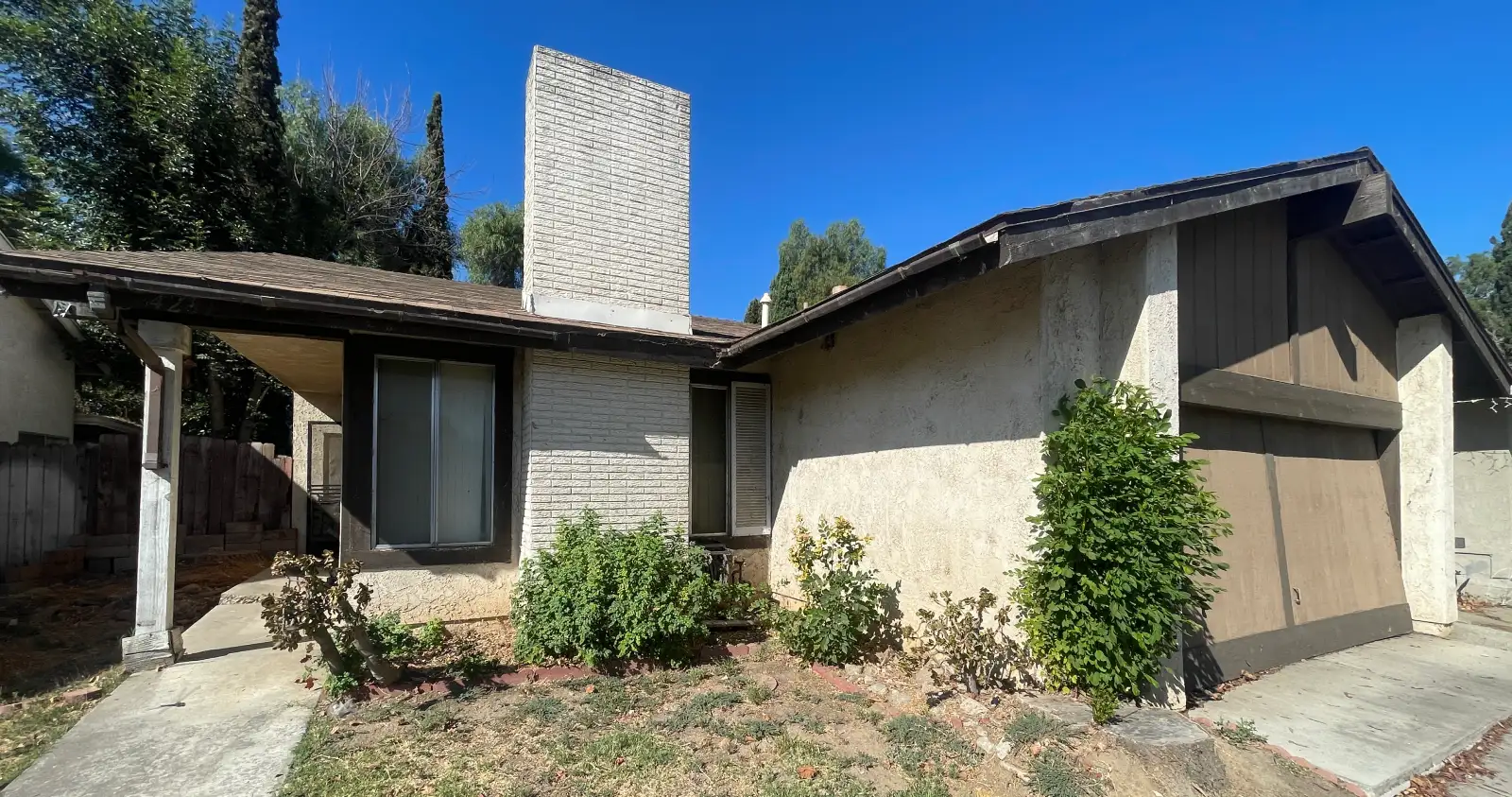
Southern California home sellers can choose between traditional listings, national home-buying marketplaces, iBuyer-style platforms, wholesalers, and direct local cash buyers. Those options do not work the same way, even when the advertising sounds similar.
For a property that needs repairs, has an unpermitted ADU, is tied up in probate, or is creating high carrying costs, local knowledge can matter as much as speed. A national algorithm may not understand the difference between neighborhoods, municipal requirements, or repair costs across Los Angeles, Orange County, the San Gabriel Valley, Riverside, and the Inland Empire.
This guide explains why traditional listings can stall, how direct buyers differ from national marketplaces, how local buyers handle difficult Southern California property issues, and what sellers should verify before signing a cash contract.
Key Takeaways
- Traditional buyers often expect move-in-ready homes and may have lender requirements that distressed properties cannot meet.
- National marketplaces may act as intermediaries rather than the actual end buyer.
- Local buyers can evaluate neighborhood-level values, repair costs, code issues, and probate situations more directly.
- Proof of funds, earnest money, contract contingencies, assignment language, and closing dates help separate real buyers from weak offers.
- A direct as-is purchase can reduce repair, commission, and holding-cost exposure when speed matters.
The Southern California Real Estate Challenge: Why Traditional Listings Stall
Southern California buyers pay high prices and often expect homes to be ready for occupancy. A house with visible age, deferred maintenance, or major repair needs may attract fewer retail families unless the seller renovates first.
That creates a repair gamble. A seller can spend substantial money on flooring, paint, roofing, electrical work, or other improvements and still discover a new issue during the buyer’s inspection.
Time is another expense. Utilities, landscaping, insurance, security, HOA charges, and property taxes continue while a house is being repaired or marketed. A seller who needs a fast exit may not have the luxury of waiting through a long conventional escrow.
The Burden of As-Is Properties in a Financed Market
Foundation problems, roof issues, unsafe electrical systems, mold, fire damage, missing fixtures, and other serious defects can reduce the pool of buyers. A lender may also refuse to fund a mortgage until certain health or safety problems are corrected.
A direct cash buyer is not depending on that mortgage approval. The buyer can price the condition and repair risk directly into the offer.
Taxes, Insurance, and Maintenance Add Up
A vacant or distressed property continues generating expenses even when it is not producing income. Vacancy can also make insurance more expensive and introduce security concerns.
Owners should include those monthly costs when deciding whether to hold out for a future retail price or accept a faster direct offer.
National Marketplaces vs. Direct Local Cash Buyers
Some national websites collect seller information and distribute the opportunity to a network of investors. In that model, the company advertising to the homeowner may not be the party that ultimately buys the house.
A direct local buyer is the principal purchasing the property. That makes it easier for the seller to ask who is funding the purchase, who is responsible for the contract, and who has authority to make decisions about the offer.
iBuyer Algorithms vs. Local Evaluation
Algorithms are useful for broad estimates, but Southern California values can change quickly between neighborhoods with similar square footage. Lot utility, local demand, unpermitted space, topography, condition, and municipal rules can all affect the actual investment value.
A local buyer can inspect those details directly instead of relying only on ZIP code and automated data.
Transparency and Fees
The source article warns sellers to look carefully at service fees and other deductions used by some national platforms. A seemingly convenient offer can change substantially after fees and repair adjustments.
Nuhome Capital presents its direct offer as a net walk-away number without a seller-paid agent commission, hidden service fee, appraisal delay, or post-contract repair credit. Sellers should verify those terms in the actual contract and escrow statement.
Complex Southern California Property Issues
Many difficult sales involve more than cosmetic condition. A garage may have been converted without permits, an ADU may not be fully legalized, or the property may be part of an estate that is still working through probate.
Traditional buyer financing can struggle with unpermitted additions and serious code issues. A direct buyer can instead evaluate the condition and take responsibility for the post-closing work described in the purchase agreement.
Probate and Inherited Property
Inherited homes may sit while heirs deal with court procedures, taxes, maintenance, cleanout, and disagreements about what to do. A direct offer can give the estate a specific liquidation number while the representative confirms authority to sell.
Our probate and inherited-house pages explain those situations in more detail.
Unpermitted Work and Hoarder Properties
Los Angeles County and other Southern California markets contain many properties with garage conversions, additions, or other work completed without the expected permits. Those conditions can complicate a financed sale.
A heavily cluttered property creates a different problem. The seller may not want to spend weeks cleaning it before anyone will look at the house. A hoarder-house sale can be evaluated with the contents still in place.
Vetting Cash Home Buyers in Southern California
Not every person making a cash offer has the funds to close. Sellers should verify the buyer before relying on a promised timeline.
- Ask for current proof of funds showing liquid purchasing capacity.
- Look for a track record of recent Southern California transactions.
- Confirm meaningful earnest money will be deposited into escrow.
- Read inspection, cancellation, assignment, and closing clauses carefully.
- Make sure the offer is a specific number rather than a vague range designed to change later.
Avoiding the Wholesaler Bait-and-Switch
A wholesaler may put the property under contract without intending to buy it, then try to assign the contract to another investor. That business model is not automatically the same as a funded direct purchase.
If the wholesaler cannot find another buyer, the seller may face a cancellation late in the process. Long inspection periods and broad assignment rights are contract terms worth reviewing closely.
Read Reviews With a Local Lens
Look beyond a generic national star rating. Reviews that describe actual local properties and seller problems can provide more useful evidence of how the buyer performs.
A seller should still verify proof of funds and contract terms even when the company has positive reviews.
Nuhome Capital: A Direct Local Cash-Sale Option
Nuhome Capital describes itself as a direct Southern California buyer rather than a national call center. The company purchases properties that need repairs, have tenants, are inherited, or have other issues that create friction in a conventional sale.
The house does not need to be painted, cleaned, staged, or renovated before the walkthrough. The offer is based on the current condition and local market.
A Three-Step Direct-Sale Process
- Contact the company and arrange a brief property walkthrough.
- Review the firm no-obligation cash offer after the house is evaluated.
- Choose the closing date and complete the sale through escrow if the offer works for you.
The source article states that the company can often provide an offer within 24 hours and may be able to close in as few as seven days when title and escrow are ready.
Local Roots and Property-Specific Results
Neighborhood-level knowledge can help a buyer understand why two similar houses in different Southern California submarkets may not have the same value or repair strategy.
Local experience can also reduce the chance that a buyer discovers late in the transaction that code issues, tenant problems, title complications, or repair costs were underestimated.
Take Control of Your Southern California Home Sale
A local cash buyer is one option among several. The right choice depends on property condition, the amount of time available, the seller’s repair budget, and the difference between the direct offer and the expected net proceeds of a traditional sale.
If the house is inherited, vacant, damaged, tenant-occupied, or tied to unpermitted work, a direct purchase can remove several barriers at once. Request a cash offer if you want a number to compare with listing, repairing, or continuing to hold the property.
Frequently Asked Questions
How fast can I sell my house for cash in Southern California?
The source article states that Nuhome Capital can often make an offer within 24 hours after the property is reviewed and can sometimes close in as few as seven days when title and escrow are ready.
Will I receive a fair price from a cash buyer?
Evaluate the offer against current property value, repair needs, and the costs avoided by not paying commission, completing repairs, or carrying the house for additional months.
Do I have to clean or repair first?
No. A direct as-is purchase can evaluate the house in its current condition, including unwanted contents and substantial repairs.
What fees or commissions do I pay?
The source article states that Nuhome Capital charges no seller commission or service fee and covers the standard closing expenses described in its offer. Verify the actual transaction on the contract and escrow statement.
Can I sell during foreclosure or with a tax lien?
Potentially. Foreclosure timing and liens need to be handled carefully through title and escrow. The pre-foreclosure page and behind-on-payments page cover those situations.
What if the house has unpermitted work or code violations?
A direct buyer can evaluate those issues as part of the current condition rather than requiring them to be corrected before an offer is made.
Do I need a Realtor?
No agent is required for a direct sale to the buyer. You can still hire independent representation if you want professional advice.
How does probate affect an inherited-house cash sale?
The estate representative must have the authority required to transfer the property. A cash buyer can evaluate the house while the probate or trust process establishes that authority and can close once the estate is legally ready.