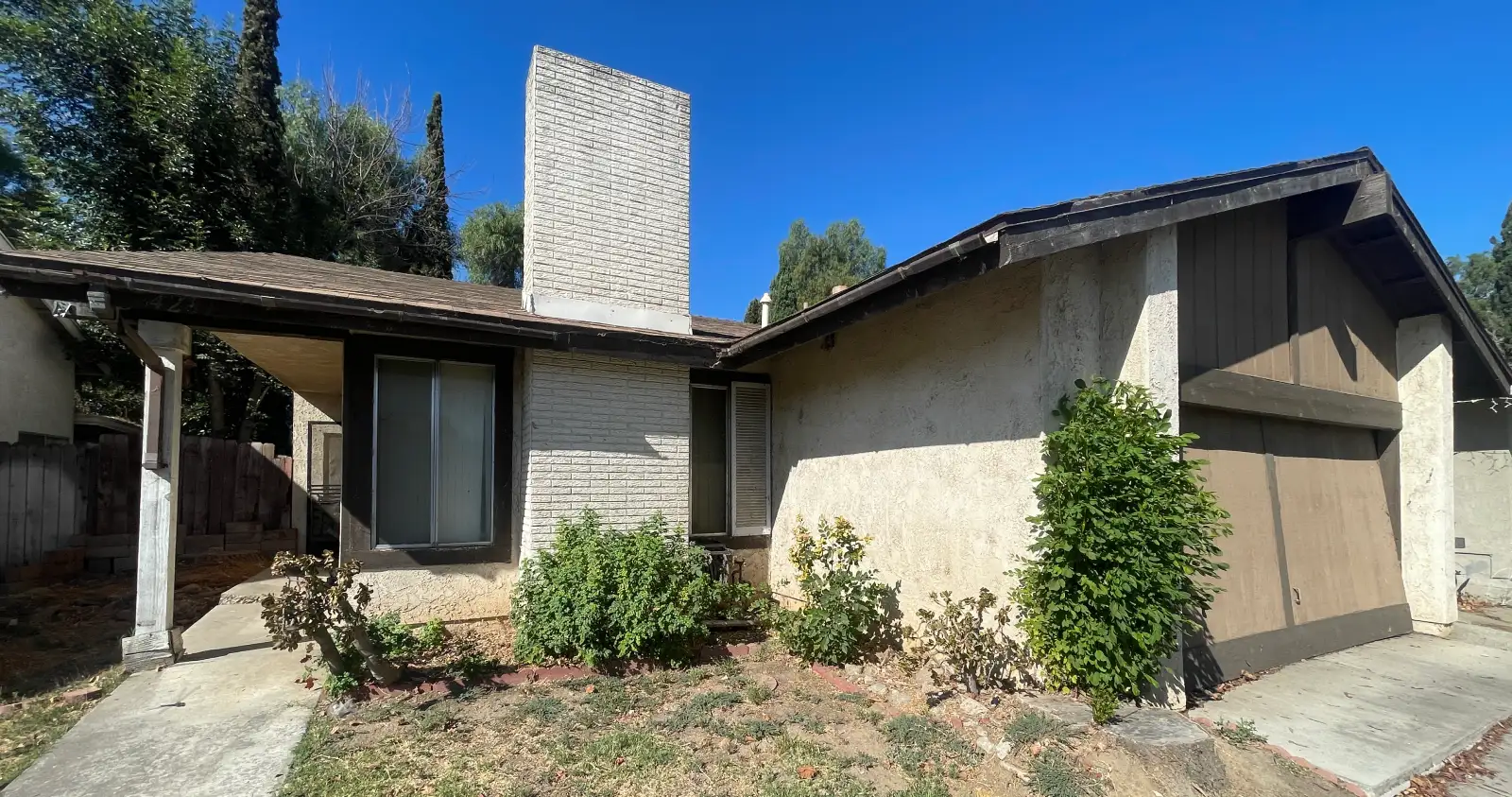
A vacant Riverside property can keep costing money while producing no rent and no practical benefit for the owner. Taxes, insurance, utilities, maintenance, security, code issues, and the possibility of unauthorized occupants can all become more expensive the longer the house sits empty.
The source article is designed for owners who want to sell a vacant home fast in Riverside without first completing repairs, cleaning, or a traditional retail listing. It explains the physical and financial risks of vacancy, why empty houses can be difficult to finance, and how a direct cash sale can shorten the timeline.
It also includes a five-step checklist covering title documents, property security, buyer selection, net-proceeds comparison, and closing.
Key Takeaways
- Vacant houses can deteriorate, attract vandalism or squatters, and create additional liability.
- Riverside taxes, insurance, maintenance, and vacancy-related costs can continue even when the property produces no income.
- Code violations and municipal liens should be identified early because they can affect title and closing.
- A direct buyer can evaluate an empty house without requiring the seller to clean, repair, or stage it first.
- Out-of-state owners can often complete the transaction remotely through escrow, electronic signatures, and local access arrangements.
The Risks of Holding a Vacant Home in Riverside
Empty houses do not remain static. Small maintenance problems can become larger because no resident is present to notice a leak, broken window, pest problem, or failing system.
The source article also emphasizes unauthorized occupancy and vandalism. A visibly empty house can become a target for squatters, copper theft, HVAC theft, broken windows, graffiti, or other damage.
Those risks can turn an otherwise straightforward property into a more complicated legal and repair situation.
Security Concerns for Inland Empire Property Owners
An alarm is helpful only while the system has reliable power, internet, and monitoring. A vacant property may lose those services or show other signs that no one is living there.
Owners should secure accessible entry points and avoid confronting unauthorized occupants directly. If squatters are already present, the bad-tenants and related occupancy resources can help explain the next steps.
Riverside Code Violations and Liens
The source article discusses nuisance conditions such as overgrown landscaping and accumulated trash that can attract municipal attention. Fines and recorded obligations can affect the title and must be addressed before the property can transfer cleanly.
A direct buyer can evaluate the house while title and escrow identify what needs to be paid or resolved at closing.
The Hidden Financial Drain: Calculating Holding Costs
Property taxes, insurance, utilities, mortgage payments, HOA assessments, landscaping, security, and basic maintenance continue while the house remains vacant. The source article also discusses Mello-Roos assessments and the possibility of more expensive vacancy-specific insurance.
Owners should total those monthly costs rather than assuming the mortgage is the only expense. Several months of carrying costs can materially reduce the practical benefit of waiting for a higher sale price.
Insurance Pitfalls for Empty Houses
Standard homeowner policies may restrict or change coverage after a house has been vacant for a specified period. Owners should tell their insurer the truth about occupancy and confirm what coverage applies.
A specialized vacant-dwelling policy can be more expensive than ordinary occupied-home coverage, which adds another reason to consider how long the property should be held.
The Opportunity Cost of Trapped Equity
The source article also frames a vacant house as a non-performing asset. Equity remains tied up in the property while the owner continues paying expenses to preserve it.
A direct sale can convert that equity into cash sooner, though sellers should still compare the direct offer with the expected net result of listing.
Why Traditional Listings Can Fail for Vacant Riverside Homes
An empty house may need cleaning, repairs, landscaping, security, and staging before a retail buyer will consider it move-in ready. If the owner lives outside Riverside, coordinating that work can be difficult.
Financed buyers can also create an additional delay. The house still has to pass appraisal and underwriting, and a lender may object to missing systems, damage, or other condition issues.
A direct buyer can instead evaluate the current property condition and purchase without requiring the seller to complete the entire retail-preparation process.
How to Sell a Vacant Home Fast: Five-Step Checklist
- Gather title information, tax records, and any notices involving liens or code violations.
- Secure the property by addressing locks and obvious entry points while the transaction is pending.
- Request an offer from a buyer who understands the Riverside and Inland Empire market.
- Compare expected net proceeds after repairs, commission, closing costs, and additional holding expenses.
- Choose the closing date and complete the transfer through escrow.
Preparing for the Walkthrough
No full cleanout is required for a direct as-is evaluation. The source article recommends being straightforward about known roof, electrical, plumbing, or other problems so the buyer can account for them from the beginning.
That reduces the risk of a later surprise becoming a new price negotiation.
Handling Legal and Title Hurdles
Vacant properties can overlap with probate, code violations, municipal liens, taxes, or inherited ownership. Title and escrow identify recorded issues while the owner or estate provides the authority required to sell.
Our vacant-house page, absentee-owner page, and inherited-house page cover related situations.
Nuhome Capital: A Riverside Vacant-Property Option
The source article describes Nuhome Capital as a direct buyer rather than an agent, marketplace, or wholesaler. The company evaluates Riverside houses with its own capital and does not depend on a new buyer mortgage.
That model can be useful to an owner who wants a specific cash number without spending weeks preparing an empty property for public showings.
Remote Sellers
The source article specifically says out-of-state owners can complete the process without repeatedly traveling to California. Property access, signatures, title, and closing can be coordinated remotely when the circumstances allow.
Take Control of Your Riverside Property
A vacant house may be worth holding when there is a clear investment reason to do so. It can also become a liability when taxes, insurance, security, code issues, and repairs keep increasing.
If you want to compare a direct exit with continuing to hold or list the property, request a cash offer and review the net proceeds and timeline.
Frequently Asked Questions
Can I sell a vacant Riverside house if I live in another state?
Yes. The source article describes remote transactions using local property access, digital signatures, and mobile notary or escrow arrangements when needed.
How fast can I receive cash for a vacant home?
The source article describes an offer shortly after the property is reviewed and a closing in as few as seven days when title is ready.
Do I need to clean the vacant house first?
No full cleanup is required for the direct as-is process. Unwanted furniture and ordinary contents can be discussed as part of the purchase agreement.
What if the house has been vandalized?
Vandalism, missing systems, broken windows, and similar damage can be evaluated in the property’s current condition rather than repaired before the offer.
Can code violations or liens prevent the sale?
They can affect title and the amount required to close, but they do not automatically make a sale impossible. Escrow and title can identify what must be resolved.
What if squatters are in the house?
Unauthorized occupants create a legal issue that must be disclosed and handled lawfully. A direct buyer may still evaluate the property with the occupancy problem in place.
Will vacancy affect my insurance?
It can. Policy terms vary, and owners should confirm coverage with their insurer instead of assuming an ordinary homeowner policy remains unchanged during a long vacancy.
How should I compare a cash offer with listing?
Compare net proceeds after repairs, cleaning, commission, closing expenses, taxes, insurance, utilities, maintenance, security, and the additional months required for a traditional sale.