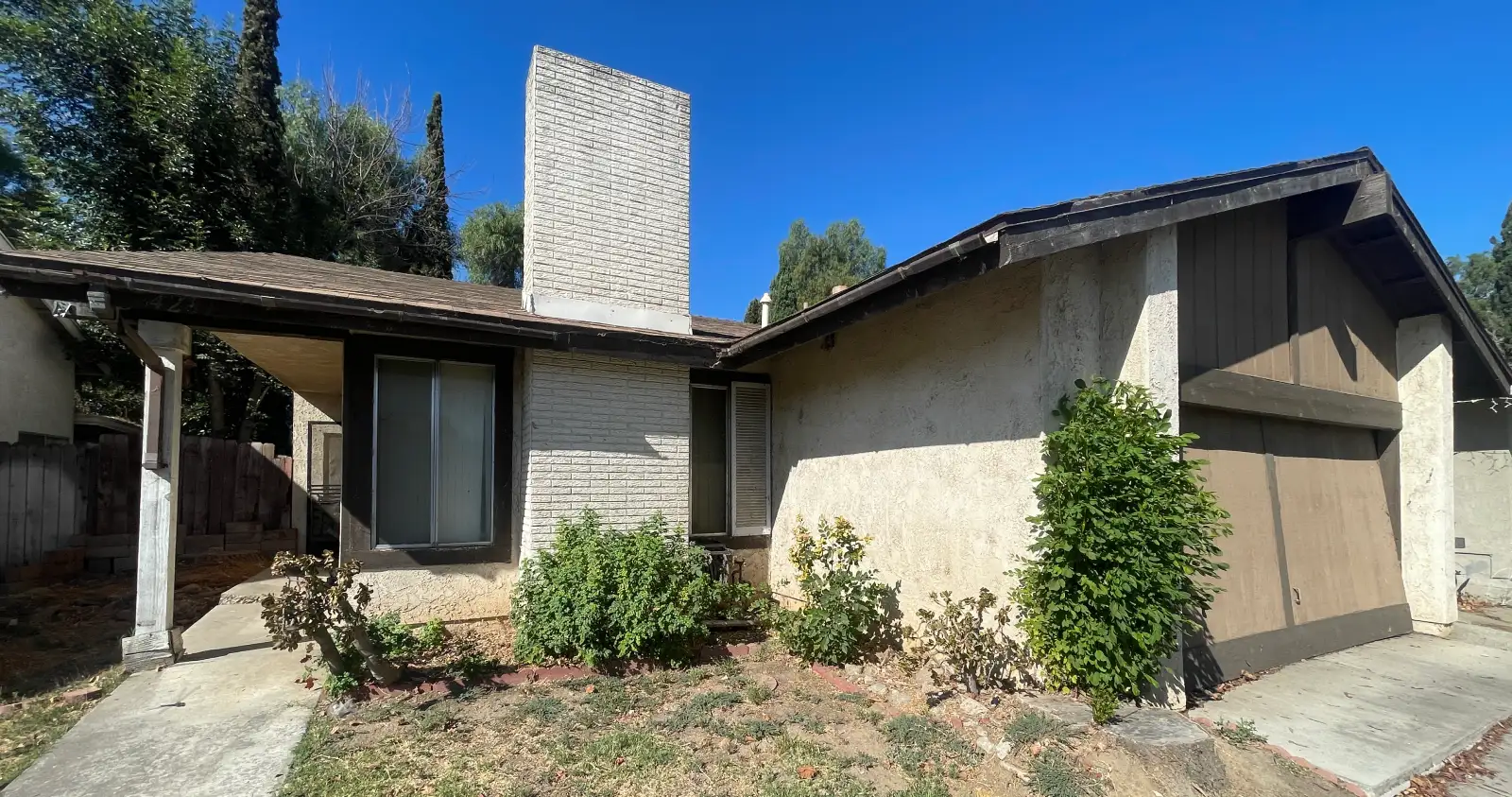
A squatter-occupied property can stop producing income while continuing to generate taxes, insurance, legal expenses, code problems, and potential property damage. California’s eviction rules can make the situation especially frustrating for an owner who wants the property back quickly.
The source article explains that an owner can consider selling a property with unauthorized occupants instead of completing the entire eviction first. A direct buyer can account for the occupancy and assume the post-closing legal and physical work associated with the property.
This guide covers the difference between squatters and other occupants, the cost of a contested eviction, why ordinary financed buyers struggle with these properties, and a five-step way to document and sell the house without direct confrontation.
Key Takeaways
- Unauthorized occupancy should be handled through lawful procedures rather than self-help tactics.
- A contested unlawful-detainer case can take significant time and legal expense.
- Traditional buyers and lenders may not be able to inspect or finance a squatter-occupied property.
- A direct as-is buyer can evaluate the occupancy, legal cost, and property condition in the purchase price.
- Documentation, personal safety, proof of funds, and a clear contract are important when pursuing a fast sale.
What Counts as a Squatter in California?
The article distinguishes a brief trespasser from someone who moves into a property and remains there without permission. Once someone is living in the property, law enforcement may treat the matter differently from a simple trespass and the owner can be pushed toward a civil possession process.
The article also discusses California rules affecting no-trespass letters and warns that owners should not rely on changing locks or shutting off utilities as a shortcut. Self-help eviction tactics can create legal exposure for the owner.
Holdover Tenants vs. Unauthorized Occupants
A holdover tenant originally entered with permission under a lease or rental arrangement and stayed after that right ended. A squatter did not have the same original permission. The legal path can still become complicated in both cases.
Owners should also be cautious about accepting money from an unauthorized occupant without legal advice because payment can affect the relationship between the parties.
Adverse Possession Is Different From Ordinary Squatting
The source article notes that acquiring ownership through adverse possession is difficult and requires much more than simply occupying a house. The article discusses long-term continuous possession and property-tax requirements, which most ordinary squatter situations do not satisfy.
Even when ownership is not realistically at risk, the occupant can still prevent normal access and make the property difficult to show or finance.
The High Cost of Evicting Squatters in Southern California
A non-performing property creates a monthly financial burn rate. Rent may stop while taxes, insurance, utilities, legal fees, maintenance, and potential fines continue.
The source article describes Southern California court backlogs and explains that contested unlawful-detainer litigation can last many months. Attorney fees can become substantially more expensive than the basic court filing and service charges.
Legal Fees and the Unlawful Detainer Process
The process generally depends on proper notices, filing the case, service, court proceedings, and eventually lawful enforcement of a possession order. A paperwork error can delay or restart part of the process.
Because the details are legal and situation-specific, owners should use a California landlord-tenant attorney for legal advice rather than relying solely on general online information.
Property Damage and Liability Risk
Unauthorized occupants may leave trash, damage systems, make unpermitted changes, or create code violations. Those conditions can reduce the property’s value while the owner remains responsible for taxes, insurance, and municipal issues.
Safety is another concern. Owners, agents, appraisers, and prospective buyers may not be able to enter the property safely, which makes an ordinary market sale much harder.
Selling Property With Squatters vs. a Traditional Listing
A conventional buyer usually needs access for showings, inspections, and appraisal. If the occupants refuse access or create a safety risk, those steps may never happen and the buyer’s lender may refuse to fund the transaction.
Agents can also be reluctant to market an occupied property when they cannot safely show it. The home may sit on the market while the owner continues carrying the legal and financial burden.
The Cash-Sale Alternative
A direct cash buyer does not need a new mortgage or bank appraisal. The buyer can evaluate the legal status, expected eviction cost, possible damage, and condition risk before purchasing.
That lets the owner transfer the real estate and the associated occupancy problem in one transaction instead of waiting for the property to become vacant first. Our bad-tenants page and tired-landlord page cover related situations.
How to Sell a California Property With Squatters in Five Steps
- Document the situation using existing lease records, police reports, correspondence, and safe exterior photos when available.
- Speak with a buyer or adviser who understands Southern California occupied-property transactions.
- Obtain an as-is offer that clearly accounts for the current occupancy and property condition.
- Verify the buyer’s proof of funds, local experience, contract terms, and ability to take on the post-closing problem.
- Close through California escrow and transfer the property under the purchase agreement.
Documentation and Safety
Do not confront potentially hostile occupants or attempt to force them out by changing locks or turning off utilities. The source article strongly warns against illegal self-help tactics.
Instead, gather documentation you already have and allow qualified professionals to address the legal process. If the property is otherwise vacant and being used intermittently by transients, the vacant-house page covers the carrying-cost side of that problem.
Evaluating the Cash Offer
An offer for a squatter-occupied property reflects more than ordinary repair costs. The buyer also has to account for legal expenses, time, access uncertainty, potential interior damage, and the period during which the property may remain unusable.
Compare that discount with the attorney fees, lost rent, taxes, insurance, repairs, commissions, and months of holding costs that may be required to deliver a vacant retail property.
Why a Direct Buyer Can Be Useful for California Landlords
Nuhome Capital purchases difficult occupied properties directly in Southern California. The company evaluates the house in its existing condition and does not require the owner to complete an eviction, full cleanout, or renovation before receiving an offer.
The source article emphasizes a fast offer, no seller-paid agent commission, and a closing handled through escrow. The seller should still review all contract terms carefully and confirm how the occupancy issue transfers at closing.
Ready to Move On?
An owner does not necessarily have to finish a year-long court fight before deciding to sell. A direct purchase can be evaluated while the occupants are still present, provided the situation is fully disclosed and the transaction follows California law.
If you want to compare a direct-sale number with the cost of continuing the eviction, request an as-is cash offer.
Reclaim Your Financial and Personal Bandwidth
Squatter situations can become a cycle of legal fees, lost rent, damage, and stress. The traditional market is poorly suited to a property that cannot be safely shown or financed.
A direct sale transfers the ownership and allows the buyer to take over the legal and physical work after closing. For an owner who values certainty over completing the eviction personally, that can create a much faster exit.
Frequently Asked Questions
Is it legal to sell a house with squatters in California?
An owner can generally transfer title while occupants are present, but the occupancy must be disclosed and the sale does not erase California laws governing those occupants. Get legal advice for your specific situation.
Do I have to disclose the squatters to a buyer?
The source article treats unauthorized occupancy as a material fact that should be disclosed. A professional buyer evaluating this type of property expects to know who is occupying it and what documentation exists.
How long can a squatter eviction take?
The source article describes contested California cases taking many months and sometimes longer depending on court backlogs and procedural issues. Actual timing depends on the county and the facts of the case.
Can a squatter claim ownership?
Adverse possession has strict requirements and is different from ordinary unauthorized occupancy. Owners concerned about a potential ownership claim should speak with a California real estate attorney.
What is the fastest way to exit a squatter-occupied property?
A direct as-is sale can avoid waiting for the eviction to finish because the buyer purchases the property with the occupancy problem already disclosed.
Will a cash buyer purchase a damaged squatter property?
Yes, a professional as-is buyer can factor trash, repairs, vandalism, and unknown interior condition into the offer rather than asking the seller to renovate first.
Can I shut off utilities to make the occupants leave?
The source article warns against shutting off utilities or using other self-help eviction tactics. Those actions can create civil or criminal exposure. Use lawful procedures and qualified legal advice.
Do I need a lawyer to sell the property?
A lawyer is not automatically required just because the sale is direct, but legal advice can be very valuable when unauthorized occupants are involved. Escrow handles the real estate closing, while an attorney can advise you about possession and disclosure issues.