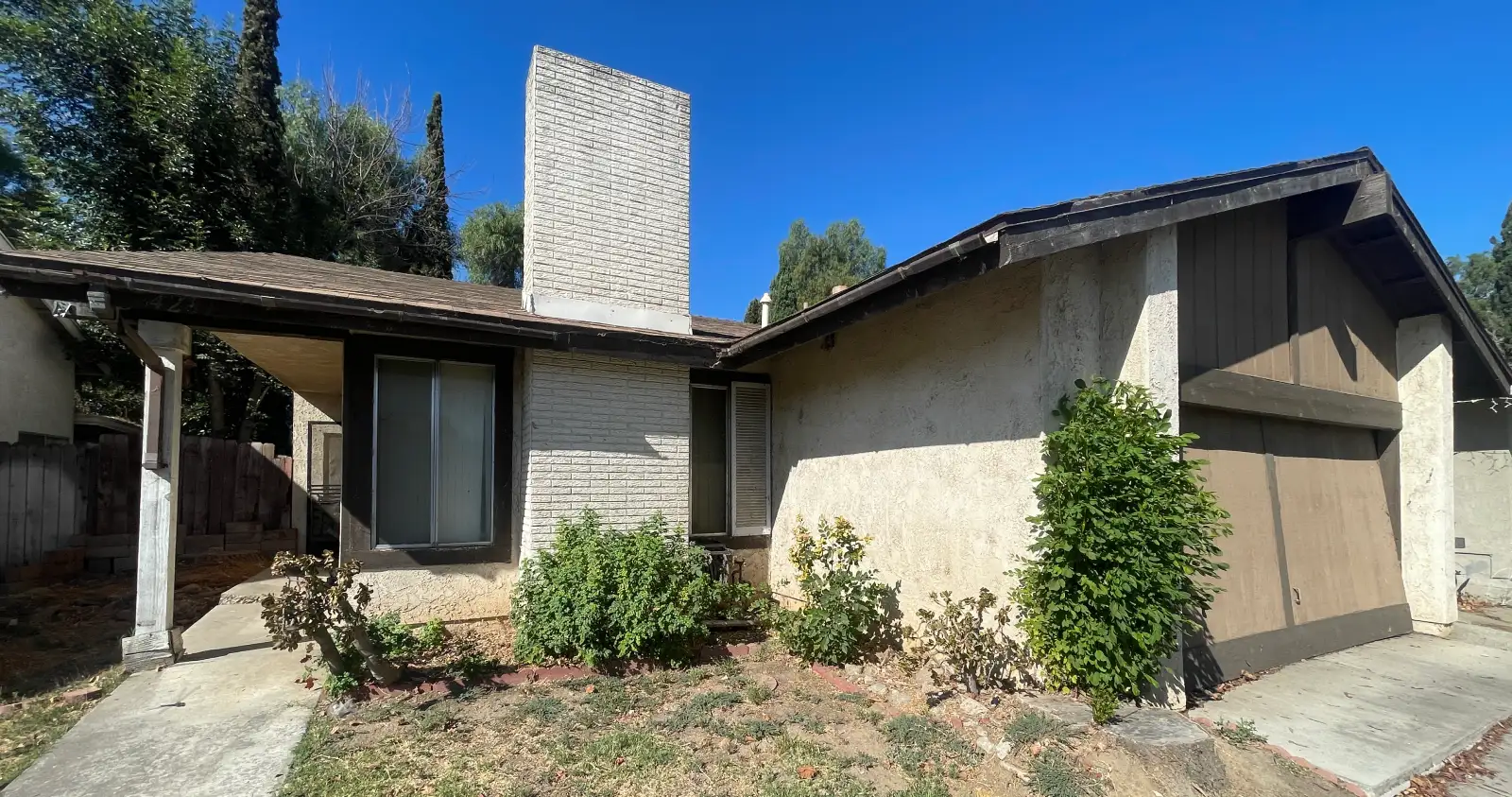
Receiving a foreclosure notice in Los Angeles puts a homeowner on a legal timeline. Once the formal process is moving, lender fees can continue increasing while the amount of time available to protect the property and remaining equity keeps shrinking.
The article focuses on homeowners who want to stop foreclosure in Los Angeles by understanding the California nonjudicial timeline, gathering the right loan and title information, and comparing reinstatement, forbearance, short sale, and direct-sale options before the trustee sale.
A fast sale is not the only possible solution, but it is one of the options that can move without depending on a retail buyer’s mortgage. The important point is to act while you still own the property and have enough time for title and escrow to close.
Key Takeaways
- California commonly uses a nonjudicial foreclosure process, so homeowners need to pay attention to recorded notices and deadlines.
- A payoff statement is more useful than an ordinary monthly statement when calculating what must be paid at closing.
- Reinstatement, forbearance, short sale, and a direct cash sale have different requirements and timelines.
- A sale completed before the trustee sale can preserve equity that might otherwise be lost at auction.
- Title problems, tax liens, HOA balances, and other recorded obligations should be identified early.
The California Foreclosure Timeline: How Much Time Do You Have?
California lenders commonly use a nonjudicial foreclosure process. Federal servicing rules generally create an early period after missed payments before a servicer can begin the formal foreclosure process, giving the borrower time to discuss loss-mitigation options.
Once the formal process begins, the deadlines become much more important. Homeowners should read every lender and trustee notice, verify the current status with the servicer or trustee, and get legal advice when needed.
The Notice of Default Phase
The Notice of Default is one of the first major recorded steps. The source article describes a 90-day reinstatement period after the NOD is recorded. During this period, the homeowner still owns the house and may be able to reinstate the loan, negotiate another solution, or sell the property.
Interest, lender charges, and foreclosure-related fees can continue increasing during this period, so waiting may reduce the equity available after the loan is paid off.
The Notice of Trustee Sale Phase
If the default remains unresolved, the process can move to a Notice of Trustee Sale. The article describes a final 21-day notice period and also highlights California’s five-business-day reinstatement deadline before a scheduled sale.
Once the final sale notice is recorded, there is much less time to coordinate title, payoff statements, liens, a purchase contract, and escrow. A homeowner who expects to sell should begin the process as early as possible instead of assuming the last few days will be enough.
Options for Stopping Foreclosure in Los Angeles
The right option depends on income, available cash, the amount owed, the home’s value, and how much time remains before the sale. The California Courts provide foreclosure and mortgage-help resources for homeowners who need official guidance.
- Loan reinstatement means paying the amount required to bring the loan current, including applicable fees.
- Forbearance may temporarily pause or reduce payments, but the unpaid amount still has to be addressed under the lender’s agreement.
- A short sale can be considered when the debt exceeds the property’s value, but it requires lender approval.
- A direct cash sale can be considered when the homeowner has enough equity and needs a transaction that does not depend on buyer financing.
Why a Traditional Listing Can Be Difficult Under a Deadline
A conventional listing needs enough time for marketing, showings, inspections, appraisal, buyer financing, title, and escrow. A foreclosure deadline may be shorter than that process, especially after the Notice of Trustee Sale.
A house that needs repairs can create another obstacle because a financed buyer’s lender may require certain conditions to be corrected. The seller may not have the time or cash to complete those repairs before the auction date.
The Direct Cash-Sale Advantage
A direct cash buyer does not need a mortgage approval or lender appraisal to fund the purchase. That removes several points where a traditional sale can be delayed or cancelled.
If the property also needs work, an as-is sale can allow the house to be evaluated without spending the remaining foreclosure timeline on repairs, cleaning, or staging.
Foreclosure Action Checklist for Los Angeles Homeowners
Start by opening and reading every letter from the lender and trustee. Request a formal payoff statement so you know the amount needed to satisfy the loan, including accrued interest and foreclosure-related charges.
Then estimate the property’s current value and compare it with the payoff. Positive equity is a reason to act before the trustee sale because a completed sale can convert that equity to proceeds instead of leaving the outcome to an auction.
If you receive a legitimate written purchase agreement, ask the trustee or your legal adviser whether the pending funded sale can support a postponement request. A postponement is not guaranteed, so the transaction still needs to move as quickly as possible.
Gather Your Documentation
Collect the latest mortgage statement, payoff information, Notice of Default or Notice of Trustee Sale, property-tax information, and any records relating to additional liens.
Secondary obligations such as a HELOC, judgment, tax lien, mechanic’s lien, or unpaid HOA balance may need to be paid or resolved at closing. Identifying them early gives escrow more time to obtain the correct payoff information.
Execute the Sale Without Wasting the Remaining Time
When a trustee sale is approaching, the reliability of the buyer matters. Ask for proof of funds and a clear closing timeline. A buyer who still needs financing or another investor may not be able to perform before the deadline.
Spending the remaining time on cosmetic repairs can also work against the homeowner. A direct buyer can evaluate the current condition while title and payoff work begin.
Protecting Credit and Future Finances
Missed mortgage payments already affect credit, but a completed foreclosure can remain on a credit report for years and make future borrowing and housing more difficult. Selling the property before the foreclosure is completed can avoid adding a completed foreclosure to the history.
The exact credit reporting and legal consequences depend on the loan and the homeowner’s circumstances, so homeowners should confirm those issues with qualified financial or legal professionals.
Code Violations, Repairs, and Liens
A homeowner may assume that code violations or structural problems make a sale impossible. A direct buyer can evaluate the property in its present condition and allow valid liens or other amounts to be handled through escrow from the sale proceeds.
Our behind-on-payments page and pre-foreclosure page explain related seller situations on the main site.
A Fast Direct-Sale Process
Nuhome Capital purchases houses directly in Southern California, including properties under foreclosure pressure. The process is designed to establish a number quickly while title and payoff issues are being reviewed.
- Provide the property details and the foreclosure timeline.
- Review a cash offer after the property’s condition and numbers are evaluated.
- Choose the earliest realistic closing date and move through California escrow.
The house does not need to be cleaned or renovated first. Hoarder conditions, structural damage, tenant issues, and other property problems can be considered in the offer.
How a Pending Sale Can Affect the Auction Timeline
A signed and funded purchase contract may support a request for additional time from the trustee, but homeowners should never assume a postponement will happen automatically. The safest approach is to start the sale early enough to close before the scheduled auction.
If you want a direct number to compare with the other foreclosure options, request a cash offer while you still have enough time to act.
Take Control of Your Financial Future
Understanding the difference between the Notice of Default and the final trustee-sale stage gives a homeowner a clearer picture of the available time. The closer the auction date gets, the fewer practical choices remain.
A direct sale can be one way to pay the lender, resolve recorded obligations through escrow, and preserve remaining equity without waiting for a conventional buyer’s mortgage. The decision should be based on your exact payoff, equity, legal timeline, and the alternatives available from the lender.
Frequently Asked Questions
Can I sell after receiving a Notice of Default in Los Angeles?
Yes. Receiving a Notice of Default does not immediately transfer ownership away from you. A sale can still be completed before the trustee sale if there is enough time to handle title, payoff, escrow, and closing.
How much time do I have before a California foreclosure auction?
The source article describes the Notice of Default and Notice of Trustee Sale periods as separate stages and emphasizes the five-business-day reinstatement deadline before the scheduled sale. Always verify your exact dates with the lender, trustee, or an attorney because postponements and individual circumstances can change the timeline.
Can I sell the house as-is to stop foreclosure?
Yes. An as-is purchase can be useful when there is not enough time or money to renovate before the trustee sale. A direct cash buyer does not depend on lender-required repairs for a new mortgage.
Does a cash sale affect my credit the same way as foreclosure?
No. Missed payments may already have affected your credit, but a voluntary sale completed before foreclosure is different from a completed foreclosure. Ask a credit or financial professional about the impact in your specific case.
Can a house with tax liens, HOA debt, or code problems still sell?
Potentially. Valid liens and payoffs can often be addressed through escrow, while code and repair issues can be considered in an as-is offer. The sale still needs enough equity or another approved resolution to satisfy the obligations required for clear title.
What happens to my equity if the house reaches trustee sale?
The outcome depends on the auction, debts, and applicable law. A homeowner who has positive equity generally has more control over the result by resolving or selling the property before the trustee sale rather than relying on an auction outcome.
Can a last-minute cash sale stop the foreclosure?
A sale must close before the auction actually transfers the property. A fast buyer and pending contract may help, but waiting until the final days creates serious timing risk.
Do I need to pay a real estate commission for a direct cash sale?
No agent commission is charged by Nuhome Capital when the company buys the property directly. Compare the contract and estimated closing statement so you understand the final proceeds before signing.